
Symptoms
What corns and calluses feel like
Calluses are wide patches of thick skin, often on the ball of the foot or the heel. Corns are smaller and deeper, often on or between the toes. You may notice:
- A thick, hard or rough patch of skin
- A small, hard bump on top of or between the toes
- Pain or tenderness when you walk or press on it
- Dry, waxy or flaky skin over the area
Common causes
Why corns and calluses form
Your skin thickens to protect itself where it gets the most pressure or rubbing. Over time, that protection can start to hurt. Common reasons include:
Tight or narrow shoes
Shoes that squeeze your toes, or high heels that push weight forward, add pressure.
Hammertoes and bunions
Changes in toe shape can make parts of your foot rub against your shoes.
Friction from shoes or socks
Shoes worn without socks, or socks that bunch up, may rub the same spot all day.
Foot mechanics
The way weight moves through your foot may load some spots more than others.
At home
What you can try now
If you don't have diabetes or circulation problems, these steps often help. Stop if anything hurts or the skin breaks.
- Soak
- Soak your feet in warm water for a few minutes to soften the thick skin.
- Pumice
- Gently rub softened skin with a pumice stone or foot file. Don't cut or shave it.
- Moisturize
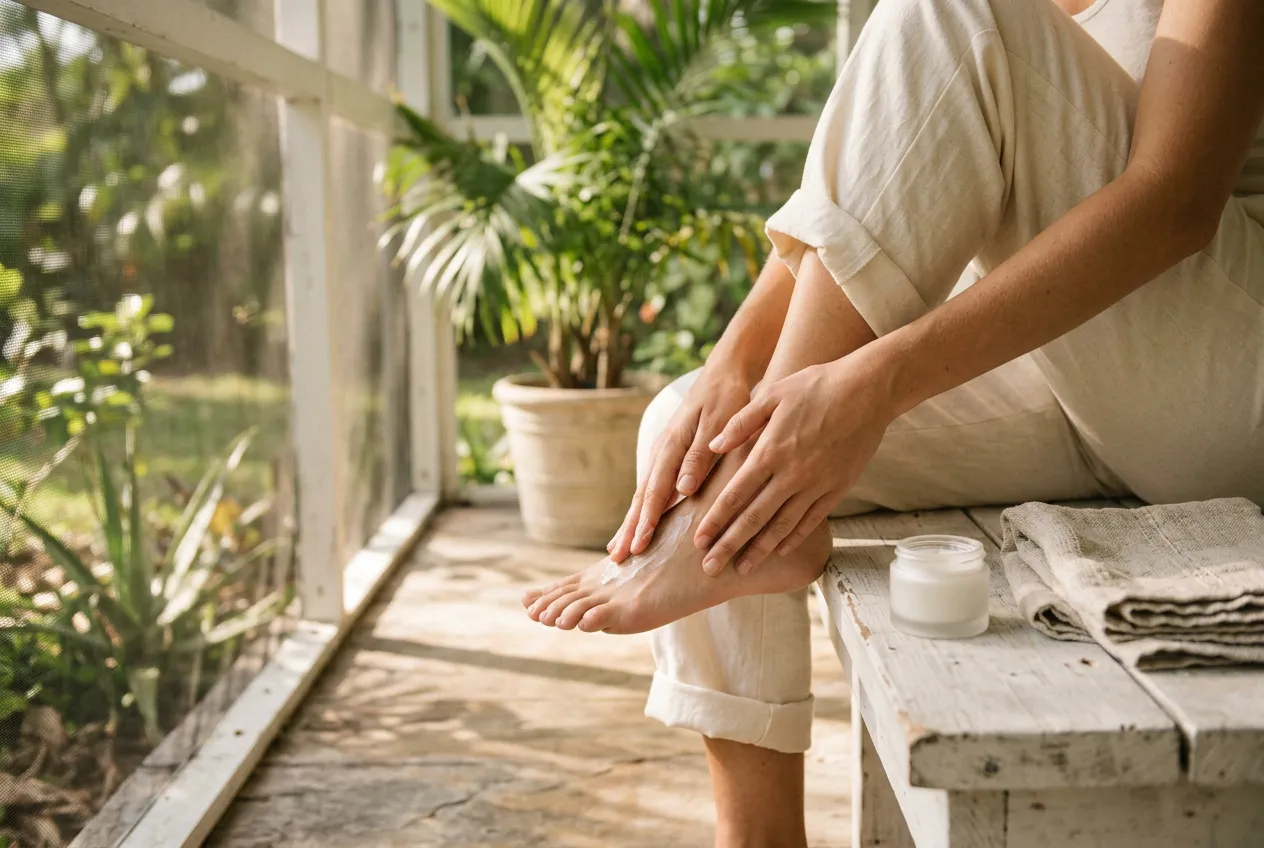
- Use a moisturizing foot cream every day to keep skin from getting dry and hard.
- Shoes
- Choose shoes with room for your toes, and try non-medicated pads on sore spots.
Treatment
How we treat it
Most corns and calluses get better once the pressure is eased. We start with the simplest step and only move up if the pain keeps coming back.
Better shoes and padding
Roomier shoes and non-medicated pads or toe spacers may take pressure off sore spots.
Careful trimming
A podiatrist can safely trim thick skin in the office, which often eases the pain.
Custom orthotics
Prescription inserts may spread pressure more evenly, so thick skin is less likely to come back. Learn about custom orthotics
Surgery, only if needed
If a bunion, hammertoe or bone spur keeps causing corns, Dr. Fernandez may talk with you about correcting it.
When to call
Don't wait it out if you notice:
- A corn or callus that still hurts after home care
- Bleeding, oozing or a crack in the skin
- Redness, warmth or swelling around it
- A dark spot or a sore under a callus
- Any corn or callus if you have diabetes
If it's a medical emergency, call 911.
Questions
Corn and callus questions
Don't see yours? Call 954.355.9400.
Are corns and calluses dangerous?
Usually not. They're mostly a comfort problem. But if you have diabetes or poor circulation, a callus can hide a sore underneath, so have it checked.
Will they come back?
They may, if the pressure that caused them is still there. Easing that pressure with better shoes, padding or orthotics often helps keep them away.
Can I use corn pads or removers?
Non-medicated pads are usually fine. Medicated pads and liquid removers contain acid that can harm healthy skin, so skip them if you have diabetes or poor circulation, and ask us if you're not sure.